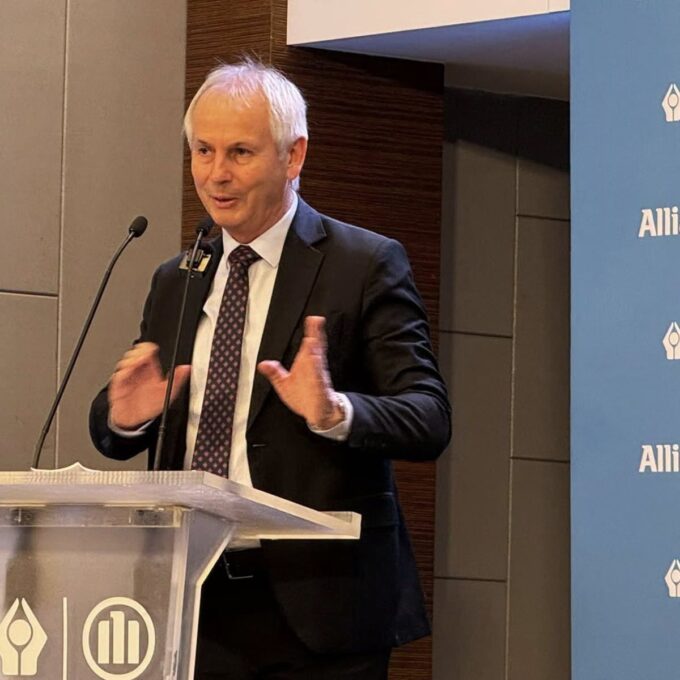

Botswana’s primary school leavers are entering a period of potentially profound change. The Ministry of Child Welfare & Basic Education (MCW&BE) has made a high-level decision to discontinue the Primary School Leaving Examination (PSLE) from 2029 and the Botswana Examinations Council (BEC) has already begun preparing for the transition.
This is not a proposal at the margins of the education system. It concerns an examination that has been part of Botswana’s public examination since the 1980s and has long marked the end of seven years of basic primary education.
For parents who grew up writing the PSLE, for teachers who have prepared generations of pupils for it, and for communities accustomed to following examination results, this is more than an administrative adjustment. It is a change in educational culture.
The important question, therefore, is not whether the decision is bold. It plainly is. The harder question is whether Botswana is prepared to replace an established mechanism of selection and accountability with something evidently better. Rationale for Abolition The rationale for reform is without doubt understandable.
Botswana’s education system has changed substantially since the period in which the present examination structure was established. Universal and expanded access to basic education has altered the conditions under which primary schooling operates, while the country’s curriculum reforms increasingly emphasize competencies, application of knowledge and broader educational outcomes.
The government’s stated direction is consequently towards a system in which assessment supports learning rather than allowing a single examination to dominate it. A distinction has to made between the fact that the PSLE is not simply a test taken at the end of Standard 7 and that its consequences are significant. It can influence what teachers teach, what pupils practice and what parents demand. Examination preparation can become particularly intense in the upper primary years. Yet it would be unfair to suggest that every teacher or school reduces education to examination drilling.
Many teachers continue to teach broadly and creatively while preparing learners for the national examination. The issue is therefore not the existence of examinations as such, but the weight attached to one examination and the incentives created by that weight. Potential Positives If the reform is implemented well, the first potential gain is a broader conception of learning.
Removing the PSLE as the main gateway out of primary school could create more room for teachers to devote sustained attention to reading, mathematics, practical work, creativity, problem-solving, communication and other competencies. This is consistent with Botswana’s wider curriculum modernization agenda, including the General Education Curriculum and Assessment Framework (GECAF) and the country’s increasing emphasis on competencies and 21st century skills.
The second potential gain is a healthier assessment culture where learner’s achievement is not be inferred from a single examination sitting alone. Classroom performance, projects, practical activities, oral work, reading development and progress over time can provide valuable evidence. Continuous assessment, however, is not automatically more valid simply because it is continuous.
Poorly designed classroom assessments can be repetitive, subjective and administratively burdensome. The reform will succeed only if BEC equips teachers to assess learning reliably and if schools are subject to credible moderation.